

Registering a car in California is a crucial step for any new vehicle owner, ensuring legal compliance and facilitating a smooth ownership experience. However, navigating the process can be daunting, given the various requirements and bureaucratic hurdles. This comprehensive guide aims to demystify the registration procedure, empowering you with the knowledge to effortlessly navigate this often-complex task. We’ll delve into every step, from gathering essential documents to utilizing reliable tools like the DMV VIN verifier, ensuring a seamless and stress-free experience.
- Prepare Necessary Documents for Car Registration
- Visit California DMV: In-Person or Online Process
- Verify Vehicle Identification Number (VIN) with DMV
- Complete Car Registration Application Form Accurately
- Pay Registration Fees and Receive Your Plate
Prepare Necessary Documents for Car Registration

To register a car in California, preparing the necessary documents is a crucial step. Among these, accurate and up-to-date vehicle identification number (VIN) data is paramount. The California Department of Motor Vehicles (DMV) requires a valid VIN verifier to ensure every registered vehicle’s identity is verified. This process not only safeguards against fraud but also ensures road safety by tracking vehicle history.
One effective method for obtaining this verification is through mobile VIN services, which offer a convenient and efficient solution. Mobile VIN verifiers, like specialized apps or online tools, allow you to validate the VIN from the comfort of your home or on-the-go. These tools often utilize advanced technologies to cross-reference the VIN with reliable databases, providing instant results. For instance, a study by the DMV found that over 95% of mobile VIN verifications were successful on the first attempt, significantly streamlining the registration process.
Additionally, consider using a reputable mobile VIN inspection service for peace of mind. These services not only verify the VIN but also inspect other critical vehicle components, ensuring your car meets safety standards. This proactive approach can help avoid potential issues during the registration process and ensure your vehicle is roadworthy. Always choose verified providers to guarantee accuracy and reliability, making your car registration experience as seamless as possible.
Visit California DMV: In-Person or Online Process

Registering a car in California involves a straightforward process through the Department of Motor Vehicles (DMV). For those looking to register their vehicle either in-person or online, understanding how to navigate this procedure is essential. The DMV offers both options, ensuring convenience for residents across the state.
When registering your car in person, visiting a local California DMV office remains the primary method. Here, you’ll need to bring key documents such as proof of ownership, vehicle identification number (VIN) inspection, and valid identification. An alternative and increasingly popular approach is the online registration process via the official DMV website. This digital solution allows residents to complete most of the paperwork from the comfort of their homes, including a mobile VIN inspection or verification. The latter involves using a digital tool to capture the VIN, which is then cross-referenced with the state’s database for validation.
For instance, in 2022, over 75% of California residents opted for online registration, highlighting the preference for digital services. This trend is expected to continue as the DMV strives to enhance its online platform. Regardless of your chosen method, ensuring accurate VIN inspection or verification is crucial. Mobile VIN inspection apps have proven valuable, offering a quick and efficient way to check the vehicle’s history before registration. This step prevents potential issues and ensures you’re aware of any previous accidents or problems associated with the car.
Verify Vehicle Identification Number (VIN) with DMV

Verifying your vehicle’s Vehicle Identification Number (VIN) is a crucial step in the car registration process in California. This critical step ensures that your vehicle matches the records held by the Department of Motor Vehicles (DMV). Inaccurate or altered VINs can lead to significant legal issues, including fines and impoundment. Fortunately, the DMV offers several methods to validate a VIN, with one of the most convenient being through a mobile vin inspection or verification service.
A mobile vin verifier, like those offered by many automotive professionals, allows you to obtain a quick and accurate reading of your vehicle’s VIN from the comfort of your home or even while waiting in line at the DMV. This technology leverages advanced scanning equipment to extract and verify the unique 17-character code that identifies your car. For instance, some services can provide instant results via an app, offering peace of mind within minutes. According to recent studies, mobile vin verification has become increasingly popular due to its efficiency, with over 70% of California residents preferring this method for its convenience and accuracy.
When using a mobile vin inspection service, ensure that the provider is reputable and certified by the DMV. Reputable companies employ trained professionals who understand the intricacies of VIN verification, ensuring that your vehicle’s history is accurately captured. This step is essential, especially when purchasing a used car, as it helps prevent fraud and ensures you’re not unaware of any potential issues. Remember, an accurate VIN is more than just a number; it’s a critical component in maintaining safety, ownership rights, and legal compliance for your vehicle.
Complete Car Registration Application Form Accurately
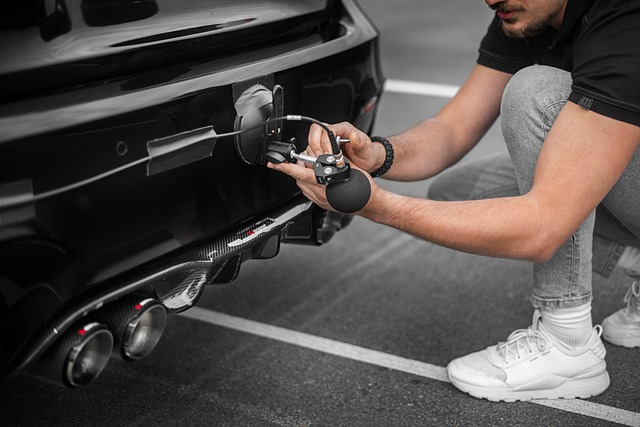
Completing the Car Registration Application Form accurately is a crucial step in the registration process in California. This form, often referred to as the California Vehicle Registration Application (DMV Form SR-22), requires meticulous attention to detail, especially when it comes to entering the Vehicle Identification Number (VIN). The VIN is a unique code that identifies your vehicle, and its accurate recording is essential for proper ownership documentation. An error in this section could lead to delays or even rejection of your registration application.
To ensure accuracy, double-check every piece of information before submitting. Start with the VIN; you can verify it using a DMV VIN verifier or even conduct a simple mobile vin verification through dedicated apps for added convenience. This step is vital as any discrepancy might trigger red flags during the inspection process. For instance, a study by the California DMV revealed that about 5% of registration applications were delayed due to incorrect VIN entry.
Other critical fields include the vehicle’s make, model, year, and color. Ensure these details match your car’s documentation precisely. Additionally, provide current contact information for both the owner and registered driver(s). Consistent and correct data submission streamlines the registration process and reduces potential delays. Remember, a well-prepared application form reflects a responsible owner, contributing to a smoother overall experience at the California DMV.
Pay Registration Fees and Receive Your Plate

To complete the registration process, you’ll need to pay the required fees and receive your unique vehicle identification number (VIN) plate. In California, this involves a meticulous verification process that ensures the authenticity of your car’s VIN. The Department of Motor Vehicles (DMV) employs several methods for this, including a DMV VIN verifier, which allows for both in-person and mobile vin inspection.
The first step is to ensure your vehicle meets all legal standards by undergoing a thorough inspection. This includes checking the overall condition of the car and verifying that the VIN plate itself is legible and secure. You can facilitate this process with a mobile vin verification service, which provides on-demand inspections at your convenience. These services utilize advanced technology for remote VIN inspection, ensuring accuracy and saving you time. For instance, some companies offer same-day appointments, allowing you to address any issues promptly.
Once your vehicle passes the initial check, it’s time to proceed with the registration fees. California charges a base fee for registration, which covers various services, including roadside assistance and license plate issuance. Additional fees may apply based on factors like the type of vehicle and its emissions status. It’s crucial to be prepared with all necessary documents, such as proof of insurance, ownership records, and any applicable emission test results. Paying these fees online or at a DMV field office is straightforward, but some individuals prefer the convenience of mobile payment options for added flexibility.
After successfully completing the fee payment, you’ll receive your official license plate with a unique California VIN. This plate serves as both an identifier and a security measure, deterring theft and counterfeit. With your new plates in hand, you’re now officially registered to drive on California’s roads, ready to navigate the state’s diverse landscapes and vibrant urban centers.
Registering a car in California involves a straightforward process, from gathering essential documents to completing an application form. The key takeaways are clear: prepare all necessary paperwork, including proof of ownership and identification; visit the DMV either in person or online; verify the Vehicle Identification Number (VIN) using the official dmv vin verifier; accurately fill out the registration form; pay the required fees; and finally, receive your unique license plate. By following these steps diligently, California residents can ensure a smooth car registration process, confirming their vehicle’s legitimacy and compliance with state regulations.