

Registering a car in California is a necessary step for any new owner, but the process can be complex and time-consuming. Many individuals find themselves navigating a maze of requirements and paperwork, particularly when it comes to crucial steps like DMV VIN verification. As a seasoned expert in automotive regulations, this article provides a comprehensive guide to demystify the registration process. We’ll walk you through each step, ensuring a smooth experience, from initial preparation to final submission. By the end, you’ll be equipped with the knowledge to confidently register your vehicle and hit the road legally.
- Gather Necessary Documents for Car Registration
- Prepare Your Vehicle for DMV Inspection
- Understand the DMV VIN Verification Process
- Complete the California Car Registration Application
- Submit and Pay for Your Car Registration
Gather Necessary Documents for Car Registration

Registering a car in California involves a meticulous process, ensuring compliance with state regulations. One of the crucial initial steps is gathering the essential documents for car registration. This phase sets the foundation for a seamless and legally sound registration experience. Among these documents, the Vehicle Identification Number (VIN) verification stands out as a critical element, often facilitated through official channels like the DMV or, more conveniently, mobile VIN verification services.
For instance, when submitting your application, you’ll typically need a valid driver’s license, proof of insurance, and the vehicle’s title. However, for the VIN verification process, you might opt for a mobile vin verifier to streamline this task. This modern approach allows you to complete the inspection remotely, providing significant flexibility compared to traditional methods. Imagine being able to verify your car’s history without leaving the comfort of your home or office—this is the convenience that advanced technologies offer.
Moreover, ensuring the accuracy of your VIN during this process is paramount. A unique 17-character code, the VIN serves as a digital fingerprint for your vehicle, offering insights into its manufacture, model, and history. In California, where vehicle registration is strictly regulated, an error in this number can delay or even void your application. Therefore, utilizing reliable mobile vin verification services becomes a strategic decision to avoid such pitfalls. Always opt for reputable providers that offer accurate, official results, ensuring your car’s registration process proceeds without a hitch.
Prepare Your Vehicle for DMV Inspection

Before you can register your car in California, your vehicle must pass a rigorous DMV inspection process. This step is designed to ensure that all vehicles on the road meet safety and environmental standards. To prepare for this inspection, start by performing a thorough pre-trip check of your car’s fundamental systems, including brakes, lights, tires, and emissions controls. Verify that all fluid levels are correct and that your battery is in good condition. This initial assessment can help you identify any potential issues the DMV inspector might flag during the formal vin inspection (Vehicle Identification Number).
California’s Department of Motor Vehicles (DMV) conducts a detailed vin verification process to ensure vehicle authenticity and compliance with state regulations. One practical approach to streamline this process is by utilizing a mobile vin verifier or performing a mobile vin inspection. These tools allow you to check your car’s VIN accuracy and history from the convenience of your location, saving time and effort. For instance, many DMV field offices now offer mobile services that include on-site vin inspections, enabling you to address any discrepancies before heading to the register.
During the actual inspection, the DMV inspector will examine various components, including the vehicle’s frame, body panels, lights, and emissions system. They will also cross-reference your car’s VIN with their records to ensure it matches the vehicle’s characteristics and history. To pass the inspection, your car must meet all state safety standards, have a valid registration, and be free from any outstanding defects or violations. It’s crucial to arrive prepared with all necessary documents, including your driver’s license, proof of insurance, and any relevant maintenance records, as these can expedite the inspection process.
Understand the DMV VIN Verification Process

Registering a car in California involves several steps, and understanding the DMV VIN verification process is crucial to ensure a smooth experience. The Department of Motor Vehicles (DMV) requires vehicles to undergo a thorough inspection before registration, which includes verifying the Vehicle Identification Number (VIN). This process not only ensures vehicle safety but also helps deter fraud and identity theft by validating ownership through the unique VIN.
DMV vin verification is typically conducted at a designated DMV office or, in some cases, through mobile vin inspection services. During this inspection, a trained DMV agent will physically examine your vehicle to confirm that it meets all safety standards and regulatory requirements. The process involves cross-referencing the provided VIN with manufacturer records to ensure authenticity. This step is especially important for used car buyers as it helps uncover any potential history of accidents or undisclosed damage, ensuring they’re making an informed purchase decision.
For convenience, many California residents opt for mobile vin verification services, which bring the inspection directly to their location. These services are particularly useful for those with busy schedules or accessibility challenges. With a certified inspector visiting your home or workplace, you can save time and effort while still meeting DMV requirements. This alternative approach has gained popularity due to its efficiency, especially in urban areas known for their bustling streets and heavy traffic, where scheduling an in-person appointment might be challenging.
Complete the California Car Registration Application

Registering a car in California involves several crucial steps, and one of the key components is completing the California Car Registration Application. This process requires meticulous attention to detail and adherence to state regulations. The application process begins with gathering essential documents, including proof of ownership, vehicle identification number (VIN) verification, and valid identification. It’s important to ensure that all information provided is accurate and up-to-date to avoid any delays or issues during the registration.
The California Department of Motor Vehicles (DMV) emphasizes the significance of VIN verification as a critical step in the registration process. This involves submitting the vehicle’s unique VIN number for cross-referencing with state records, ensuring the car’s history aligns with the reported specifications. Many residents opt for convenient mobile VIN verification services that allow them to obtain official documents remotely, saving time and effort. For instance, some mobile vin verifiers offer instant digital certificates upon successful inspection, streamlining the entire process.
Once your application is complete, including successful VIN inspection via a reliable mobile vin verifier, you’ll need to schedule an appointment at a local DMV field office to submit your application and associated fees. The staff will review your documents, conduct a vehicle inspection, and process your registration if everything complies with state standards. This meticulous approach ensures that California’s roads are safe and well-regulated, providing a seamless experience for both new and existing vehicle owners.
Submit and Pay for Your Car Registration
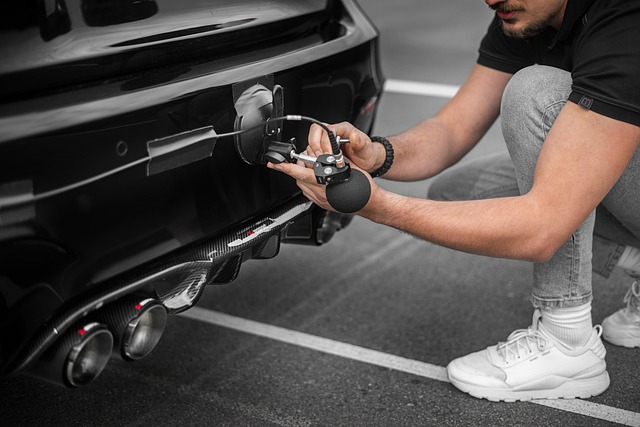
Registering a car in California involves several crucial steps, and one of the key aspects is submitting and paying for your vehicle’s registration. This process requires accurate documentation and verification to ensure compliance with state regulations. The Department of Motor Vehicles (DMV) plays a pivotal role in this procedure, particularly through its stringent vin verification process. To streamline this task, many California residents opt for convenient services like mobile vin verifiers.
When preparing to register your vehicle, you’ll need to complete the necessary forms and provide essential details such as your personal information and vehicle specifications. The DMV offers both online and in-person submission options, with the latter often involving scheduling an appointment. During this process, a key step is allowing the DMV inspector to conduct a thorough vin verification. This inspection ensures that your vehicle’s unique identification number (VIN) matches the data in their systems, safeguarding against fraud. Mobile vin verifiers can facilitate this process by providing on-site inspections, saving you time and effort compared to traditional methods.
After confirming the VIN details, you’ll be directed to the payment phase. California residents have various payment options, typically including cash, credit card, or check. It’s essential to review the current registration fees set by the DMV, which may vary based on vehicle type and other factors. Once your payment is processed, you’ll receive your official vehicle registration documents. Properly documenting this process ensures a smooth transition for your newly registered car, allowing you to hit the road with confidence.
By meticulously gathering all necessary documents, preparing your vehicle for a smooth DMV inspection, understanding the critical role of the DMV VIN verification process, diligently completing the California car registration application, and promptly submitting with payment, you’ve taken significant steps to ensure your vehicle’s legal registration. This comprehensive guide equips you with the knowledge to navigate the process confidently, demonstrating that registering a car in California need not be a complex or daunting task.