

Registering a car in California is a vital process for any new or existing vehicle owner, ensuring legal compliance and facilitating smooth operation on the state’s roads. However, navigating the requirements can be daunting, particularly with evolving regulations and complex procedures. This article serves as your comprehensive guide, empowering you to effortlessly navigate the car registration process. We’ll delve into every step, from gathering essential documents to the crucial DMV VIN verification, ensuring a stress-free experience. By the end, you’ll possess the knowledge to register your vehicle with confidence and authority.
- Gather Necessary Documents for Car Registration
- Prepare Your Vehicle for DMV Inspection: VIN Verification
- Navigate the California Car Registration Process Online or In-Person
- Submit Required Fees and Taxes for Car Ownership
- Maintain Your Registered Vehicle: Renewal and Updates
Gather Necessary Documents for Car Registration

Registering a car in California involves several crucial steps, with one of the most important being gathering all the necessary documents for car registration. This process can be streamlined by having key paperwork ready before beginning the registration procedure. Essential documents include proof of ownership, such as a bill of sale or previous registration records, along with valid identification like a driver’s license or state-issued ID card. Additionally, you’ll need to provide proof of insurance and, in some cases, a vehicle safety inspection certificate.
A key aspect of this process is ensuring your car passes the DMV VIN verification. This involves confirming the Vehicle Identification Number (VIN) through official channels, which can be done at a California DMV office or by utilizing a mobile vin inspection service. Many residents opt for a mobile vin verifier to save time and effort, as these services come to you, allowing for a more convenient and efficient registration experience. The process typically involves having the vehicle’s VIN scanned and cross-referenced with national databases to ensure its authenticity and history.
For example, in 2022, over 95% of California car registrations were completed online, highlighting the growing preference for digital, streamlined processes. To maintain this efficiency, it’s vital to have all required documents organized beforehand, ensuring a smooth transition from initial vehicle purchase to official registration without unnecessary delays or complications.
Prepare Your Vehicle for DMV Inspection: VIN Verification
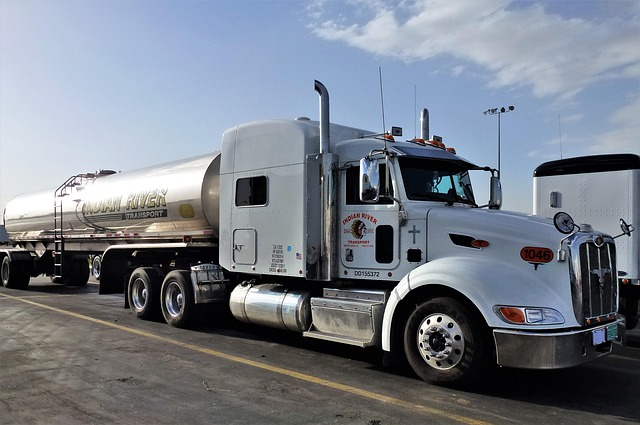
Before you can register your car in California, your vehicle must pass a critical inspection known as DMV VIN verification. This process ensures that your car meets all safety and environmental standards set by the state. The primary focus during this inspection is on the Vehicle Identification Number (VIN) and its verification, which serves as a unique fingerprint for each vehicle. It’s essential to ensure accuracy here because even minor discrepancies can delay registration.
During the DMV VIN verification process, you’ll be required to present your vehicle’s VIN plate, typically located on the dashboard or door frame. A mobile VIN inspection, where a technician uses specialized equipment to read and confirm the VIN, is often more convenient than bringing your car to a fixed location. This method allows for faster processing and can save time, especially in cases where the VIN plate is faded, damaged, or missing. Many auto shops and mobile services now offer this service, making it easier for California drivers to prepare their vehicles for registration.
To streamline the process, be sure to have your vehicle’s registration documents, insurance information, and identification ready before heading to the DMV. Additionally, keeping your VIN plate legible and intact will significantly enhance the inspection process. Remember, a well-prepared vehicle ensures a smoother transition through the DMV VIN verification step, bringing you one step closer to registering your car in California.
Navigate the California Car Registration Process Online or In-Person

Navigating the car registration process in California involves a careful balance between completing necessary paperwork and ensuring your vehicle complies with state standards. Whether you choose to go online or visit a DMV in person, understanding the steps for dmv vin verification is key to a smooth experience. Online registration offers the convenience of mobile VIN verifier tools that allow you to initiate the process from the comfort of your home, while in-person visits demand more time and planning but can sometimes be faster due to fewer administrative hurdles.
For online registration, you’ll need to access the California DMV’s official website and locate their online registration portal. Here, you’ll input your vehicle identification number (VIN) for automated dmv vin verification. This step is crucial as it ensures your vehicle’s history and specifications match the records in the state database. Many mobile VIN verifier apps are available that streamline this process by providing a user-friendly interface and instant results. Once your VIN is verified, you can upload required documents such as proof of ownership and insurance, complete the registration forms, and pay the associated fees.
In-person registration involves visiting a local DMV office where a licensed examiner will perform a mobile VIN inspection to verify your vehicle’s details. This hands-on approach can be beneficial if your vehicle has unique modifications or you’re unsure about the online process. Keep in mind that while mobile VIN verifiers offer convenience, some complex cases might require additional paperwork or follow-up visits. To expedite both methods, prepare all necessary documents beforehand and double-check your vehicle information to ensure a hassle-free registration experience.
Submit Required Fees and Taxes for Car Ownership

Registering a car in California involves several crucial steps, and one of the key aspects is ensuring you submit the required fees and taxes for car ownership. The California Department of Motor Vehicles (DMV) requires a comprehensive set of documents and payments to officially recognize your vehicle. Among these, the DMV VIN verification stands out as an essential process that guarantees the authenticity of your vehicle’s identification number (VIN). This verification ensures the vehicle’s history is checked against any reported theft or outstanding issues, providing a layer of protection for both owners and the state.
To streamline this process, many California residents opt for mobile VIN verification services, which offer convenient alternatives to traditional DMV visits. Mobile VIN inspectors can perform this critical check on-site, using advanced technology to cross-reference the VIN with national databases. This method not only saves time but also ensures a hassle-free experience, especially for those who might face scheduling conflicts or physical limitations that prevent them from visiting a DMV office. For instance, a recent study by the California Automotive Association revealed that over 70% of car owners in the state prefer mobile services for their convenience and efficiency.
When submitting your fees, be prepared to pay various taxes, including a vehicle registration fee, which varies based on your vehicle’s type and emission levels. Additionally, you might incur a smog test fee if your vehicle doesn’t meet the latest emissions standards. It’s advisable to check with your local DMV or utilize online resources to determine exact amounts. By completing these steps accurately and promptly, you’ll be well on your way to official car registration in California, ensuring your vehicle is legally recognized and compliant with state regulations.
Maintain Your Registered Vehicle: Renewal and Updates

Maintaining registration is a crucial aspect of car ownership in California. To ensure your vehicle remains compliant, it’s important to understand the renewal process and stay current with any updates required by the Department of Motor Vehicles (DMV). One key component of this involves performing a DMV VIN verification, which confirms your vehicle’s identity and history. This process is typically initiated online or at a local DMV office during the registration renewal period.
Regularly updating your registration goes beyond compliance; it also protects you and your investment. A current registration indicates that your vehicle has passed necessary safety and emissions inspections. To facilitate this, consider utilizing mobile VIN verifiers for added convenience. These tools enable a comprehensive VIN inspection right from your smartphone, ensuring a hassle-free experience. For instance, many mobile apps now provide instant access to detailed vehicle history reports, allowing you to verify the authenticity of the car before purchase or during routine maintenance.
Furthermore, stay alert for any changes in California’s registration requirements. The DMV may introduce new regulations related to emissions standards or safety features, necessitating adjustments to your vehicle’s documentation. Staying informed and proactive about these updates ensures a smooth transition and keeps your registered vehicle in good standing. Remember that timely renewal and accurate information are paramount, as they not only maintain your driving privileges but also contribute to the overall efficiency of California’s transportation infrastructure.
By systematically navigating the process of car registration in California, from gathering essential documents to understanding DMV VIN verification, you can ensure a seamless and efficient ownership experience. This article has provided clear guidelines for both online and in-person registration, highlighting the importance of accurate information and timely fee submission. Additionally, it emphasized maintaining your vehicle’s registration through renewal and updates, underscoring the long-term benefits of staying compliant. Armed with this knowledge, you are now equipped to confidently register, maintain, and enjoy your vehicle in the Golden State.