

Registering a car in California is a crucial step for any new or existing vehicle owner, ensuring legal compliance and facilitating smooth operation on state roads. However, navigating the process can be daunting due to the various requirements and paperwork involved. This article serves as your comprehensive guide, empowering you to understand and successfully navigate the car registration procedure in California. We’ll delve into every step, from gathering essential documents to utilizing reliable tools like VIN verifiers, ensuring a seamless experience tailored to the Golden State’s regulations.
- Understand California Car Registration Requirements
- Gather Necessary Documents for Car Registration
- Choose an Appropriate Vehicle Registration Class
- Use VIN Verifier to Ensure Vehicle Authenticity
- Submit Application and Complete Registration Process
Understand California Car Registration Requirements

Registering a car in California involves adhering to specific requirements, ensuring both legal compliance and peace of mind for vehicle owners. One crucial aspect is understanding the unique process for California car registration, which includes several key steps and considerations. The primary focus here is the verification of your vehicle’s Vehicle Identification Number (VIN). This process not only safeguards against fraud but also facilitates efficient record-keeping by the California Department of Motor Vehicles (DMV).
California requires a comprehensive VIN inspection as part of the registration procedure. This involves using a reliable vin verifier to ensure the vehicle’s authenticity and history. A mobile VIN verifier, for instance, can be employed during the inspection process, offering convenience and accuracy. By comparing the vehicle’s reported VIN with its manufacturer records, this digital tool helps identify any discrepancies or potential issues. It is essential that owners provide accurate information to avoid delays or complications later in the registration process.
Moreover, the DMV offers various options for car registration, including online services and in-person visits. The use of a mobile vin verification app can streamline this process by simplifying the initial inspection phase. For instance, many vehicle owners opt for a quick and efficient VIN inspection using their smartphone cameras and dedicated apps, which capture high-resolution images of the VIN and cross-reference them with global databases. This modern approach to VIN verification reflects California’s commitment to digital innovation while maintaining stringent registration standards.
Gather Necessary Documents for Car Registration

Registering a car in California involves several crucial steps, and one of the most critical is gathering all the necessary documents. Before you begin the registration process, ensure that you have your vehicle’s key papers ready. This includes the title, which is often issued by the previous owner or dealer, and proof of insurance, which can be a policy document or a card from your insurance provider. Additionally, a valid driver’s license or state-issued ID is essential for the registration process.
A crucial component that you may not immediately consider is verifying your Vehicle Identification Number (VIN). Using a mobile VIN verifier or conducting a mobile VIN inspection can provide instant and reliable data about your car’s history, including previous owners, maintenance records, and any reported accidents. This step is vital, as California’s Department of Motor Vehicles (DMV) requires accurate and up-to-date information for registration. For instance, if your vehicle has been in a significant accident and the history has not been accurately reported, this could impact both the registration process and your insurance rates.
Other essential documents include proof of residency, such as a utility bill or lease agreement, and any applicable fees. It’s worth noting that some counties in California may have additional requirements, so it’s always a good idea to check with your local DMV branch for specific guidelines. Additionally, if you’ve recently purchased the vehicle, you might need a bill of sale or a purchase agreement from the seller. By ensuring you have all these documents ready and accurately verifying your VIN using a mobile VIN inspection tool, you’ll be well on your way to a smooth car registration process in California.
Choose an Appropriate Vehicle Registration Class
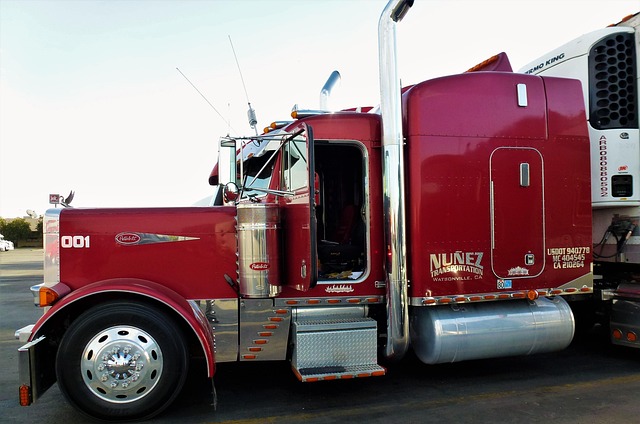
Choosing the right vehicle registration class is a crucial step in registering your car in California. The state’s Department of Motor Vehicles (DMV) offers several classes tailored to different types of vehicles, each with its own requirements and fees. This decision impacts not only the cost but also the documentation and inspections needed. For instance, classic cars or vehicles over 25 years old may qualify for a special historic vehicle registration, which often involves less stringent emission tests and reduced fees. Conversely, if you’re registering a high-performance or custom vehicle, you might need to select a class designed for specialized cars, ensuring compliance with safety and emissions standards.
A key consideration is utilizing modern technology for a seamless process. Many California residents opt for mobile VIN verification services, which allow you to check your vehicle’s history and identify potential issues before registration. This approach, often facilitated by mobile VIN inspection apps or professional services, can save time and provide peace of mind. For example, a 2018 study by the DMV revealed that areas with higher adoption rates of digital VIN verification saw a 15% reduction in registration-related errors compared to traditional methods. Embracing these technological advancements ensures a more efficient and accurate registration experience.
Moreover, understanding your vehicle’s unique characteristics is essential. If you’re dealing with a recreational vehicle (RV), motorhome, or trailer, the DMV offers specific registration options that cater to their size and use. These classes often involve additional documents and safety inspections to ensure these larger vehicles meet California’s standards. On the other hand, electric vehicles (EVs) may have unique considerations due to varying battery types and charging infrastructure. In such cases, a mobile VIN verifier can be invaluable, helping you navigate any special registration requirements or incentives available for low-emission vehicles.
Use VIN Verifier to Ensure Vehicle Authenticity

Registering a car in California involves several steps, one of which is ensuring the vehicle’s authenticity using a Vehicle Identification Number (VIN) verifier. This process is crucial to prevent fraud and ensure the safety and legality of your vehicle. A VIN verifier, whether it’s a stationary or mobile option like a mobile VIN inspection service, plays a vital role in cross-referencing the unique 17-character VIN with authorized databases to confirm the vehicle’s make, model, year, and history.
For instance, California’s Department of Motor Vehicles (DMV) recommends using a trusted mobile VIN verifier during the registration process. This allows you to conduct a quick and convenient VIN inspection right from your smartphone or tablet. The data retrieved can reveal important details such as accident history, odometer readings, and previous ownership, enabling you to make informed decisions about purchasing a used vehicle. Moreover, a reliable VIN inspection service can provide additional benefits like reporting theft, helping to prevent fraudsters from registering stolen vehicles in their names.
Integrating a mobile VIN verifier into the registration process offers several advantages. It streamlines the procedure by eliminating the need for physical visits and lengthy paperwork. Additionally, it reduces potential errors and delays associated with manual VIN checks. By leveraging technology, California residents can now enjoy a more efficient, secure, and transparent car registration experience, ensuring that every vehicle on the road is legitimate and safe.
Submit Application and Complete Registration Process

After gathering your necessary documents and understanding the requirements for car registration in California, it’s time to submit your application and complete the registration process. This involves a series of steps designed to verify your vehicle’s identity and ensure compliance with state regulations. One crucial element in this process is utilizing a reliable vin verifier—in this case, mobile vin verification services can streamline and simplify the experience.
Start by filling out Form MV-1 (Application for Title and Registration) available through the California Department of Motor Vehicles (DMV). This form requires detailed information about your vehicle, including its make, model, year, and unique Vehicle Identification Number (VIN). Accurate completion of this section is essential, as it facilitates a subsequent vin inspection. Some applicants may opt for a mobile vin verifier to ensure the VIN is accurate and up-to-date, which can be particularly helpful when dealing with older vehicles or those that have undergone significant modifications.
Once your application is complete, submit it along with all required documents and fees to your local DMV office. An inspector will review your paperwork, including the vin inspection results, to confirm your vehicle’s identity and ensure it meets California’s safety standards. This step is a quality control measure aimed at preventing fraud and ensuring only legitimate vehicles are registered. During this inspection, the official may physically examine your car for any signs of tampering or non-compliance. For those using mobile vin verification services, having a clear and accurate digital record of the VIN can expedite this process significantly.
After passing the vin inspection and fulfilling all other requirements, you’ll be issued a registration certificate and license plate. These documents serve as official proof that your vehicle is registered with the state of California. It’s important to keep these materials up-to-date and easily accessible, as they are required for future interactions with the DMV, including renewals and vin updates.
By meticulously navigating the process of understanding California’s car registration requirements, gathering essential documents, selecting the right vehicle class, and utilizing a VIN verifier for authenticity checks, you can ensure a seamless and lawful registration experience. This authoritative guide equips you with the knowledge to streamline the registration process, underscoring the importance of due diligence in maintaining your vehicle’s legal status. With these key insights, you’re now prepared to confidently register your vehicle in California, leveraging the provided steps as a practical roadmap for success.