

Registering a car in California involves several steps, ensuring your vehicle is road-ready and legally compliant. To streamline the process, prepare essential documents, including proof of insurance, ownership transfer, and identification. Visit your local DMV office with these in hand. You’ll provide detailed vehicle information and undergo a crucial dmv vin verification, confirming your car’s unique VIN. After approval, pay registration fees, collect your title, and enjoy your newly registered California vehicle.
- Prepare Required Documents for Car Registration
- Visit California DMV to Register Your Vehicle
- Provide Vehicle Information and Identification
- Perform VIN Verification: Steps and Importance
- Pay Registration Fees and Obtain Necessary Papers
Prepare Required Documents for Car Registration

Before you start the registration process, it’s crucial to gather all the essential documents. The California Department of Motor Vehicles (DMV) requires several key pieces of information for a successful car registration. One vital document is the Vehicle Identification Number (VIN) verification. This step involves a thorough inspection of your vehicle’s unique VIN, which can be easily accessed through a mobile vin verifier or by checking the label on your windshield.
Ensure that you have all necessary paperwork, including proof of ownership, valid insurance, and any required emissions test certificates. A vin inspection is a critical component of this process as it helps to prevent fraud and ensures that the vehicle matches the details provided in the registration documents. Therefore, having accurate and up-to-date information from your mobile vin verification service will streamline the registration at the DMV.
Visit California DMV to Register Your Vehicle

To officially register your vehicle in California, visit a local DMV office or use their online services. The process begins with a thorough vehicle inspection, which includes a dmv vin verification. This step is crucial to ensure that your car meets all safety and emission standards set by the state. During this verification, a mobile vin verifier or vin inspection tool is used to cross-check the Vehicle Identification Number (VIN) against the vehicle’s specifications and history.
Once your vehicle passes the inspection, you can proceed with gathering necessary documents, including proof of insurance, proof of ownership, and possibly other identifications. The DMV will guide you through the registration process, which involves filling out forms and paying the applicable fees. This ensures that your car is legally registered in California, enabling you to use it on public roads without any legal issues.
Provide Vehicle Information and Identification
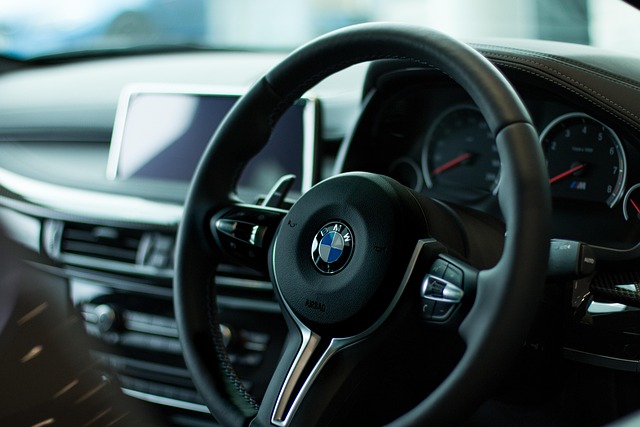
When registering your car in California, one crucial step is to provide accurate vehicle information and identification documents. This includes the Vehicle Identification Number (VIN), which acts as a unique fingerprint for your car and can be verified through a DMV VIN verification process. Start by obtaining the VIN from your vehicle’s registration or title document if available. If not, locate it on the driver’s side door jamb or in the engine bay—a mobile vin verifier or mobile vin inspection app can assist in this step.
Ensure all details match across your documents to avoid delays. Along with the VIN, prepare other necessary items like proof of ownership (if applicable), car insurance, and identification for the driver(s) and owner(s). This information is vital during the registration process at the California Department of Motor Vehicles (DMV).
Perform VIN Verification: Steps and Importance

Before registering your car in California, performing a Vehicle Identification Number (VIN) verification is a crucial step. This process involves checking the vehicle’s history and ensuring it meets all legal standards. You can initiate this by visiting the California Department of Motor Vehicles (DMV) website or using their mobile apps designed for VIN inspection. These tools allow you to input your car’s unique VIN number, which then retrieves detailed information about the vehicle’s past, including any accidents, outstanding loans, and recall notices.
A mobile vin verifier or mobile vin verification service can also be employed as an efficient alternative. These services send a technician to perform an on-site check, providing instant results. This is particularly beneficial for those who own classic cars or vehicles with complex histories, ensuring the process is done correctly the first time around and avoiding potential delays in registration.
Pay Registration Fees and Obtain Necessary Papers

After gathering all the required documents, it’s time to pay the registration fees. The California Department of Motor Vehicles (DMV) charges a fee for registering a vehicle, which varies based on the type and age of your car. You can typically pay these fees online or in person at a local DMV office. When paying, ensure you include all necessary charges like title transfer, emissions testing, and any additional fees applicable to your vehicle.
Once your payment is processed, the DMV will provide you with essential papers, including a registration certificate and a vehicle identification number (VIN) verification report. It’s crucial to keep these documents secure as they are required for future reference and proof of ownership. Additionally, consider obtaining a mobile VIN verification or conducting a VIN inspection to ensure the vehicle’s history is clean and there are no outstanding issues that could affect your registration process.
Registering a car in California involves several straightforward steps, from gathering essential documents to visiting the DMV and providing vehicle information. Ensure you complete each step accurately, including the critical process of performing a DMV VIN verification, which helps maintain vehicle records and ensures compliance with state regulations. With all required paperwork in order and fees paid, you’ll soon have your car officially registered, making California roads safer and smoother for all.