
Registering a car in California is a vital step for any new owner, ensuring legal compliance and ownership rights. However, navigating the process can be daunting, especially with evolving regulations. This comprehensive guide aims to demystify the procedures, offering expert insights on every step, from gathering necessary documents to crucial VIN verification. We’ll walk you through the process, ensuring a smooth and secure car registration experience, so you can hit the road with confidence.
- Prepare Necessary Documents for Car Registration
- Locate Your Vehicle's Unique VIN (Vehicle Identification Number)
- Choose an Appropriate California Car Registration Class
- Submit Applications and Fees to the DMV (Department of Motor Vehicles)
- Verify Your Car's Registration Status with VIN Verification
Prepare Necessary Documents for Car Registration

Before you begin the registration process for your vehicle in California, it’s crucial to prepare all the necessary documents. This step is a critical part of ensuring a smooth transaction and preventing any legal issues down the line. Among these documents, the Vehicle Identification Number (VIN) verification stands out as a key element. The VIN is a unique code that can reveal essential information about your car’s history, including its previous owners and maintenance records. Therefore, it’s crucial to have accurate VIN data for both accuracy and safety purposes.
One effective method for VIN verification in California is through a mobile vin inspection or verifier. These tools allow you to quickly and conveniently check the validity of a vehicle’s VIN against databases that include state records and National Motor Vehicle Title Information System (NMVTIS). This ensures that your car has not been reported stolen, has no outstanding loans or liens, and meets all legal requirements for registration. For instance, the California Department of Motor Vehicles (DMV) offers online services that can facilitate this process, making it accessible and efficient.
When preparing your documents, ensure you have accurate and up-to-date information about your vehicle’s details, including its make, model, year, and VIN. This includes any recent transactions or transfers of ownership. It’s also beneficial to keep records of any maintenance or repair work done on the car, as these can be valuable during the registration process. By being thorough with your documentation preparation, you’ll not only streamline the registration process but also help ensure the accuracy of your vehicle’s record in California’s system.
Locate Your Vehicle's Unique VIN (Vehicle Identification Number)

Locating your vehicle’s unique Vehicle Identification Number (VIN) is a crucial first step in registering your car in California. This 17-character code serves as a fingerprint for your vehicle, providing vital information to California’s Department of Motor Vehicles (DMV). It’s essential for accurate VIN verification during the registration process, ensuring compliance with state regulations. A simple yet critical task, this initial check can help prevent fraud and misidentification.
To find your VIN, look for it on the vehicle itself—typically located on the driver-side door jamb or the engine block. Some models may also display it on the dashboard near the window. If you have access to your car’s owner manual, it’s often included there as well. For classic cars or vehicles lacking these standard locations, consult the manufacturer’s website for specific guidance. A mobile VIN verifier app can also assist in this process, providing a quick and convenient way to confirm your vehicle’s identity.
Once you’ve located your VIN, ensure its accuracy before proceeding with registration. Incorrect or missing information may delay the process. California’s DMV offers several methods for registration, including online, by mail, or in-person at a local office. During the registration process, you’ll be required to provide your VIN as part of the vehicle history report. This step is crucial for maintaining accurate records and ensuring your car’s status complies with state laws. A mobile vin inspection tool can facilitate this task, allowing you to verify your VIN quickly and efficiently before submitting your registration documents.
Choose an Appropriate California Car Registration Class
Choosing the right California car registration class is a crucial step in ensuring your vehicle complies with state regulations. The Golden State offers several classes, each designed for specific types of vehicles and circumstances. Understanding these classifications is key to avoiding penalties and enjoying a smooth registration process.
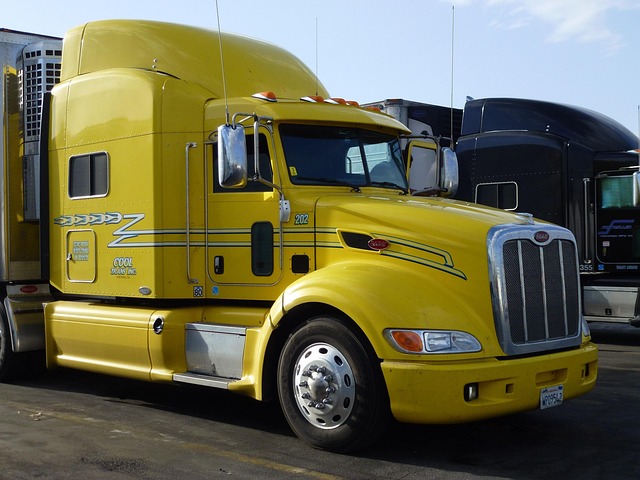
The primary factor that influences class selection is the vehicle’s purpose and value. California categorizes cars into three main groups: private passenger vehicles, commercial vehicles, and specialized or other vehicles. Private passenger cars, including sedans, coupes, and SUVs used for personal use, typically fall under Class A or B registration. Commercial vehicles like trucks, vans, and those used for business purposes often require Class C registration. Specialized vehicles, such as motorcycles, recreational vehicles (RVs), and classic cars, have their own dedicated classes.
For example, if you’re registering a standard midsize sedan purchased for personal use, it would likely qualify for Class A registration. This class requires a base fee plus additional charges based on the vehicle’s value. Conversely, a fleet of delivery trucks used by a local business would fall under Class C, which has different fees and requirements, including mandatory annual inspections. Utilizing a mobile VIN verifier or undergoing a VIN inspection can help ensure your vehicle’s information is accurate during this process. This is especially important given that California requires verification of a vehicle’s identification number (VIN) as part of the registration.
To make the best choice, carefully consider your vehicle’s classification and consult the California Department of Motor Vehicles (DMV) guidelines. Following these directions ensures you’re compliant with state laws and avoids potential issues down the road.
Submit Applications and Fees to the DMV (Department of Motor Vehicles)

To complete the registration process, you’ll need to submit the necessary applications and fees to the California Department of Motor Vehicles (DMV). This step is crucial for ensuring your vehicle’s legal status and safety on California roads. The first order of business is gathering all required documents, including proof of ownership, insurance, and identification. Once prepared, visit a local DMV office or utilize their online services to file your application.
A key component in the registration process involves vin verification. This process confirms the vehicle’s identity using its unique 17-character Vehicle Identification Number (VIN). In California, you can undergo this vin inspection through various methods. One convenient option is to utilize a mobile vin verification service, allowing you to complete the check from the comfort of your home or on the go. This digital approach streamlines the process and provides an additional layer of convenience during what can be a time-consuming task.
When submitting your application, ensure all information is accurate and up-to-date. Inaccurate details can lead to delays in processing. Additionally, familiarize yourself with the fees associated with registration to avoid any financial surprises. California’s DMV offers various payment methods, making it straightforward to complete this essential step. Remember, a properly registered vehicle not only complies with legal requirements but also enhances your safety and that of other road users.
Verify Your Car's Registration Status with VIN Verification

Before registering your car in California, it’s crucial to verify your vehicle’s registration status using a Vehicle Identification Number (VIN) verification process. This step ensures that your car is roadworthy and compliant with state regulations. The California Department of Motor Vehicles (DMV) recommends this method as an efficient way to confirm the authenticity of a vehicle’s registration. One effective approach is to utilize a mobile VIN verifier, which allows you to perform a VIN inspection remotely. These tools cross-reference your car’s unique VIN against comprehensive databases to deliver accurate information on its history and current status.
For instance, a mobile VIN verification service can help identify any outstanding recalls, previous accidents, or potential fraud associated with the vehicle. It provides peace of mind by offering transparency about the car’s past. In California, where the DMV processes millions of registration transactions annually, this additional layer of scrutiny is invaluable. By employing such technology, individuals can save time and effort while ensuring their vehicle meets all legal requirements before completing the registration process. This proactive approach aligns with the state’s commitment to streamlined, secure vehicle registration.
Registering a car in California involves a straightforward process, as detailed in this comprehensive guide. Key takeaways include preparing essential documents, locating your vehicle’s unique VIN (a critical step for accurate registration), selecting the appropriate class, submitting applications and fees to the DMV, and finally, verifying your car’s registration status through VIN verification. By following these steps diligently, you ensure a seamless registration process, confirming your vehicle’s legitimacy and compliance with California regulations. This authoritative guide equips you with the knowledge needed to navigate this procedure confidently.