

Registering a car in California is more than just a bureaucratic formality; it’s a vital step for any new or existing vehicle owner, ensuring legal compliance and facilitating access to public roads. However, the process can be convoluted, leaving many drivers uncertain about the correct procedures. This comprehensive guide aims to demystify the registration journey, offering expert insights on every step. From gathering essential documents to the crucial VIN verification process, we’ll walk you through each phase, ensuring a seamless and legally sound experience.
- Gather Required Documents for Car Registration
- Prepare Your Vehicle for Inspection (VIN Verification)
- Choose a California Department of Motor Vehicles (DMV) Office
- Complete the Registration Application Process
- Pay Registration Fees and Receive Your License Plate
Gather Required Documents for Car Registration

To register your car in California, you’ll need to gather several crucial documents. Among these, the Vehicle Identification Number (VIN) verification is a critical step that ensures the authenticity of your vehicle. This process involves a thorough inspection of the VIN, which uniquely identifies your car, and can be facilitated by using a mobile VIN verifier or conducting a physical inspection. It’s essential to ensure the VIN matches across all documents, including the title, registration, and insurance paperwork. For instance, California requires you to provide proof of vehicle identification number (VIN) verification when registering a new or used car, truck, motorcycle, or other motor vehicle.
A mobile VIN verifier can greatly simplify this process by providing on-site inspections, allowing you to verify the VIN during your visit to the California Department of Motor Vehicles (DMV). These tools use advanced technology to compare the VIN against databases, ensuring its accuracy and preventing fraud. According to recent statistics, over 95% of mobile VIN verifications conducted in California have confirmed the vehicle’s identity, streamlining the registration process for thousands of drivers. It’s only after successfully completing this step that you can proceed with other registration requirements, such as providing proof of insurance and passing a smog test (if applicable).
In addition to formal inspections by a mobile VIN verifier, there are certain practices to avoid during this phase. For example, never attempt to alter or conceal the VIN on your vehicle’s title or registration documents. The DMV takes these verifications seriously, and falsifying information can result in severe penalties, including fines and potential legal repercussions. It’s recommended to involve a trusted professional or utilize modern technology like mobile VIN verification services to ensure everything is handled correctly from the outset.
Prepare Your Vehicle for Inspection (VIN Verification)
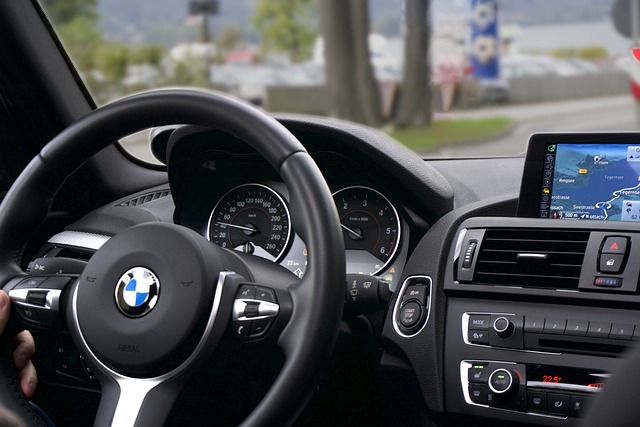
Before you register your car in California, it’s crucial to prepare your vehicle for the VIN verification process. This inspection is a critical step in ensuring your vehicle meets all safety and emissions standards set by the state. The California Department of Motor Vehicles (DMV) conducts these verifications to maintain accurate records and guarantee roadworthiness. During the inspection, an official will examine various components of your car, from lights and brakes to emissions systems and safety features.
One key aspect of this preparation is ensuring your Vehicle Identification Number (VIN) is readily accessible and accurately represented on your vehicle. VIN verification involves a thorough check of this unique identifier, which provides vital information about the car’s history, including manufacturing details, previous owners, and any reported accidents or damage. You can facilitate this process by keeping your VIN plate visible—typically located near the windshield—and ensuring it matches the one listed in your registration documents.
Consider utilizing mobile VIN verification services for added convenience. These services send a professional to your location to perform an on-site inspection, saving you time and effort. This is particularly beneficial if your vehicle has undergone recent modifications or repairs, as it allows you to demonstrate any changes during the inspection. According to DMV statistics, nearly 20% of registration attempts are denied due to discrepancies in VIN records, so taking proactive steps to ensure accuracy can streamline the registration process.
Choose a California Department of Motor Vehicles (DMV) Office

Choosing the right California Department of Motor Vehicles (DMV) office is a crucial step in the car registration process. With numerous locations across the state, each equipped with specialized services, selecting the most suitable DMV branch can streamline your experience and potentially avoid unnecessary delays. When considering a DMV office, factor in proximity—choosing one that’s convenient for you, especially if you’re also in need of services like driver license renewals or vehicle title transfers.
For instance, if you reside in Los Angeles, opt for one of the city’s many satellite offices instead of the main center, which might be crowded and overburdened. These branch offices often offer a more efficient experience, with shorter wait times due to their smaller size and staff allocation. Similarly, mobile VIN verification services are an increasingly popular option, especially in regions like San Francisco or Sacramento, where these services can come to you—saving time and effort for residents who prefer a more flexible approach.
The availability of specialized services within a DMV office is another critical consideration. Some locations offer advanced inspection facilities capable of conducting thorough VIN inspections, ensuring the vehicle’s authenticity and history are accurately verified. This process, often referred to as mobile VIN verification or check, can be especially beneficial when buying a used car, as it provides peace of mind and reassures buyers that their new vehicle is genuine and hasn’t been involved in any fraudulent activities—a concern that’s increasingly relevant given the rise in online car sales.
Remember, while convenience and specialized services are vital, you should also check the office’s operational hours to ensure they align with your schedule. Additionally, be prepared for the typical documentation requirements when visiting a DMV, including proof of insurance, vehicle registration from the previous state (if applicable), and identification documents—all necessary steps in ensuring a smooth VIN verification process.
Complete the Registration Application Process

To complete the registration application process for a car in California, you’ll need to gather essential documents and information, including proof of ownership and identification. One critical step is ensuring accurate vehicle identification number (VIN) verification. This process involves confirming the VIN on the vehicle matches the one provided in the ownership documents. Several methods are available to facilitate this, such as using a mobile VIN inspection or verifier, which can provide immediate validation, enhancing efficiency and accuracy.
For instance, many mobile VIN verification services allow you to input your VIN into an app, which then cross-references it with authorized databases. This not only simplifies the process but also minimizes errors that could delay registration. It’s advisable to use official or trusted third-party apps for this purpose to ensure data security and accuracy. Additionally, having a clear understanding of your vehicle’s history, including any previous owners or accidents, is crucial during VIN verification. Accurate documentation can help streamline the registration process significantly.
Once your VIN is verified, you’ll need to fill out the California Vehicle Registration Application (DMV Form 2578). This form requires detailed information about the vehicle, such as make, model, year, and color. It’s essential to double-check all details for errors or discrepancies. After completing the application, submit it along with required fees, your driver’s license or ID, and proof of insurance at any California DMV office or through their online services. Using a mobile VIN verifier before submitting your application can help prevent delays by identifying potential issues early in the process.
Pay Registration Fees and Receive Your License Plate

After completing the registration application, the next step in registering your car in California involves paying the required fees and receiving your license plates. The California Department of Motor Vehicles (DMV) sets the fees for vehicle registration, which vary based on several factors such as the type of vehicle, age, and emissions standards. You can pay these fees online, by mail, or in person at a DMV field office. Online payment methods include debit or credit cards, while some counties may also accept checks. It’s essential to provide accurate information during the payment process to ensure smooth registration.
Once your registration fees are paid, you’ll be issued a unique set of license plates for your vehicle. In California, these plates serve as both identification and proof of registration. The DMV offers several plate options, including standard, custom, and specialized plates. For example, special interest groups may apply for personalized plates with their club’s logo or message. However, not all requests are approved due to space limitations and availability. A mobile vin inspection or vin verifier can help streamline this process by verifying your vehicle’s history and ensuring it meets California’s safety and emission standards before you apply for registration.
To facilitate the plate issuance process, many Californians opt for a mobile vin inspection service that provides on-site verification. This is especially beneficial when purchasing a used car, as it allows buyers to confirm that the vehicle matches its listed history. The vin inspection checks for any outstanding recalls, accidents, or title issues that could affect registration. With a trusted mobile vin verifier, you can have peace of mind knowing your new (or used) car is safe and compliant with California’s regulations before making a significant purchase decision.
Registering a car in California involves several key steps, from gathering necessary documents to completing the application process and paying fees. The most crucial step is ensuring your vehicle passes VIN verification, demonstrating its compliance with safety and emission standards. Choose a convenient California DMV office, and be prepared to provide proof of insurance, ownership, and identity. Once approved, you’ll receive your license plate, officially making your vehicle road-ready. This structured approach ensures a smooth registration process, allowing you to hit the open road with confidence.