

Looking to register your car in California? This comprehensive guide breaks down the process step-by-step. From understanding key requirements to gathering essential documents, you’ll learn everything needed for a smooth registration experience. A crucial component is the VIN (Vehicle Identification Number) verification process, ensuring vehicle authenticity. We’ll walk you through it. Additionally, discover convenient options for visiting a DMV or utilizing online services. Don’t miss out on our tips for paying registration fees and obtaining your new license plate.
- Understand California Vehicle Registration Requirements
- Gather Necessary Documents for Car Registration
- Perform VIN Verification: Steps and Importance
- Visit a DMV or Use Online Services for Registration
- Pay Registration Fees and Receive Your Plate
Understand California Vehicle Registration Requirements

Before registering your car in California, it’s essential to understand the state’s specific requirements for vehicle registration. One crucial aspect is ensuring that your vehicle meets all safety and emissions standards set by the California Department of Motor Vehicles (DMV). This includes passing a safety inspection, often conducted at a DMV-approved facility, to verify that your car’s components like brakes, lights, tires, and emissions control systems are in good working order.
Additionally, every vehicle in California must have its Vehicle Identification Number (VIN) verified as part of the registration process. This involves a thorough inspection of the VIN, which is a unique code etched into the metal of your car, to ensure it matches the information on record with the manufacturer. You can facilitate this vin verification process through a mobile vin verifier or a mobile vin inspection service, making it more convenient than ever to comply with California’s registration requirements.
Gather Necessary Documents for Car Registration

Before you start the registration process, it’s crucial to gather all the essential documents for car registration in California. This includes your vehicle’s registration certificate (if previously registered), proof of ownership, and a valid driver’s license. Additionally, you’ll need a current insurance card and proof of insurance coverage, as well as a completed Vehicle Identification Number (VIN) verification form. The VIN is a unique identifier for your car, and its accuracy is vital during the registration process. Consider using a mobile vin verifier or undergoing a vin inspection to ensure the number is legitimate and matches the vehicle you’re registering.
Perform VIN Verification: Steps and Importance
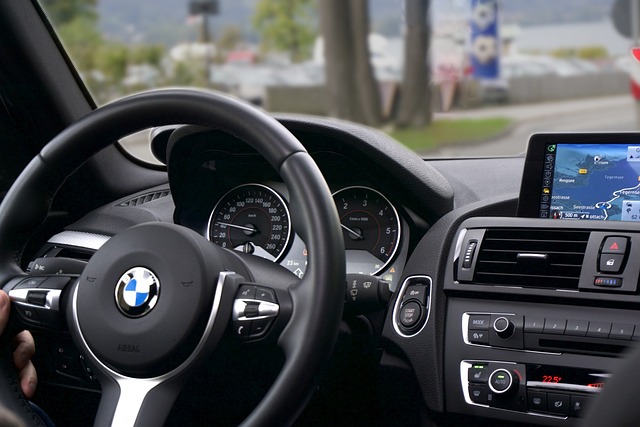
Performing a Vehicle Identification Number (VIN) verification is a crucial step in registering your car in California. This process ensures that the vehicle’s details match those on record with the manufacturer and helps to prevent fraud. It involves cross-referencing critical information such as the VIN, make, model, year, and other specifications against official databases.
To facilitate this, many services offer mobile VIN verification, where a professional comes to your location to perform the inspection. Alternatively, you can opt for a vin inspection at a designated center. This step is not just about compliance; it also gives you peace of mind, knowing that your vehicle’s history is accurate and that you’re making an informed decision when registering your car in California.
Visit a DMV or Use Online Services for Registration

In California, registering your car involves either visiting a DMV (Department of Motor Vehicles) office or utilizing their online services. The process begins with a crucial step known as VIN verification. This involves checking and confirming the Vehicle Identification Number (VIN) to ensure its authenticity. You can perform this vin inspection yourself or opt for a mobile vin inspection service, which brings the convenience of a professional assessment directly to your location.
Using their online platform is increasingly popular, allowing you to register your vehicle remotely. The process typically includes submitting necessary documents, such as proof of ownership and insurance, along with passing the VIN verification. This digital approach streamlines registration, saving time for California residents who prefer a more efficient, modern method.
Pay Registration Fees and Receive Your Plate

After completing your vehicle’s registration application, the next step is to pay the required fees. California charges a base fee for registration, along with additional costs based on your vehicle’s type and emissions status. You can typically pay these fees online or at a local DMV office. Once processed, you’ll receive your unique vehicle identification number (VIN) verification, which plays a crucial role in the registration process, especially when using services like mobile VIN inspection or a mobile VIN verifier to streamline the experience.
Upon payment, you’ll be issued official license plates for your car. In California, these plates are typically attached to the vehicle’s registration documents, ensuring that both are kept together for future reference. Remember, accurate and timely plate placement is essential, and failing to do so may result in penalties.
Registering your car in California involves understanding state requirements, gathering essential documents, and completing key steps like VIN verification. Once you’ve gathered everything needed, you can visit a DMV or utilize online services for a streamlined registration process. After paying the required fees, you’ll receive your unique license plate, marking the successful completion of the car registration procedure, including crucial VIN verification.