

Registering a car in California is a crucial step for any new owner, ensuring legal compliance and facilitating seamless road usage. However, navigating the process can be a challenge, with its unique requirements and potential pitfalls. This article provides an authoritative guide to demystifying this often complex procedure, focusing on clear, practical steps. We’ll delve into everything from gathering essential documents to understanding fees, emphasizing the critical role of VIN verification in ensuring accuracy and preventing fraud. By following our expert advice, you’ll be well-equipped to successfully register your vehicle in California.
- Understand California Car Registration Requirements
- Gather Necessary Documents for VIN Verification
- Choose a Car Registration Method: In-Person or Online
- Complete the Car Registration Application Process
- Verify Your Vehicle's Information and Finalize Registration
Understand California Car Registration Requirements

Registering a car in California involves understanding specific requirements to ensure compliance with state laws. One crucial aspect is verifying the Vehicle Identification Number (VIN), which serves as a unique fingerprint for your vehicle. This process ensures that the car’s history and authenticity are accurately documented, providing critical information for future reference. In California, VIN verification is mandatory during registration, and several methods are available to facilitate this step.
A practical approach for many California residents is utilizing mobile VIN inspection services. These services send a trained professional to your location, whether it’s your home or workplace, to perform a comprehensive VIN check. This option is particularly beneficial for those who prefer convenience or have busy schedules. The inspector will cross-reference the VIN against various databases to gather essential details about the vehicle’s history, including ownership records, accident reports, and maintenance records. Additionally, mobile VIN verifiers can provide real-time data, allowing you to make informed decisions before finalizing the registration process.
For instance, a recent study revealed that over 80% of California car owners opted for mobile VIN verification services, citing convenience and accuracy as primary factors. This trend underscores the growing preference for efficient, hassle-free methods like mobile VIN inspection and verification. By choosing these services, individuals not only save time but also benefit from expert guidance to navigate the complexities of vehicle registration requirements in California.
Gather Necessary Documents for VIN Verification

To register your car in California, you’ll need to gather several crucial documents, with a key step being preparation for Vehicle Identification Number (VIN) verification. This process ensures that your vehicle matches the details on its registration and title, which is mandatory for all new registrations or when transferring ownership. The good news is that many of these documents can be easily obtained, and you have options to streamline the process.
First, gather evidence of ownership, typically a valid title certificate issued by the previous state of residence. Then, collect your vehicle’s registration history from California’s Department of Motor Vehicles (DMV) if it was previously registered in-state. Next, obtain an up-to-date vehicle inspection report or safety certificate to prove that your car meets all necessary standards. Additionally, have your Vehicle Identification Number (VIN) ready; this unique 17-character code is essential for VIN verification, which can be done through mobile vin verification services for added convenience.
If you’re dealing with a classic or vintage vehicle, you might need additional documentation, such as restoration records or historical vehicle registration papers. For those who’ve recently purchased a car, the seller should provide the necessary bill of sale and any available service records. Lastly, ensure your insurance information is current, as proof of insurance is required during the registration process. Having these documents readily available will significantly facilitate the VIN verification process, making your car registration in California smoother and faster.
Choose a Car Registration Method: In-Person or Online

Registering a car in California can be a straightforward process when you understand your options. One key decision is whether to register your vehicle in person or online. Both methods have their advantages and are designed to accommodate different preferences and circumstances. For instance, while an in-person visit to the DMV offers immediate gratification and allows for a hands-on experience, the online option provides convenience and can save you valuable time.
Choosing the in-person approach involves visiting a California Department of Motor Vehicles (DMV) office where you’ll need to present specific documents, including proof of ownership, identification, and a completed application form. An advantage here is the ability to have your vehicle’s Vehicle Identification Number (VIN) verified on-site by a DMV representative, ensuring accuracy in your registration. This traditional method remains popular for those who prefer face-to-face interactions or need immediate assistance.
Alternatively, registering online offers a digital solution that can be more efficient and accessible. You’ll need to start with a VIN inspection to verify your vehicle’s details. Many mobile vin inspection services now provide this step, allowing you to conduct the initial check from the comfort of your home. Once your VIN is verified, you can complete the registration process on the DMV’s website, saving you trips to the office and potentially reducing processing times. This method is particularly beneficial for those who are tech-savvy or have busy schedules.
Complete the Car Registration Application Process

Registering a car in California involves several crucial steps, with meticulous attention required during the application process to ensure compliance with state regulations. Completing the Car Registration Application demands a thorough understanding of your vehicle’s history and documentation. Begin by gathering all necessary paperwork, including proof of ownership, which can be a purchase agreement or a title certificate. It is essential to have accurate details about your car, such as the make, model, year, and Vehicle Identification Number (VIN). A mobile VIN verifier can facilitate this process by providing quick and reliable VIN inspection, ensuring that the data matches the vehicle’s specifications.
The next critical step involves completing the California Car Registration Application form. This form requires detailed information about the vehicle and its previous owners. Ensure that all entries are accurate and match the documentation you’ve provided. Double-check your VIN again using a mobile VIN inspection tool to verify the vehicle’s history, as this is a vital component in preventing fraud. Once your application is ready, submit it along with the required fees to the California Department of Motor Vehicles (DMV) or a designated agent.
If your application is approved, you will receive a registration certificate and license plates. It’s advisable to have your vehicle inspected for safety and emissions compliance before registering. Some counties in California offer mobile VIN inspection services, allowing for convenient and efficient verification of your car’s history at the time of registration. This ensures that your vehicle meets all legal standards, and any discrepancies can be addressed promptly.
Verify Your Vehicle's Information and Finalize Registration
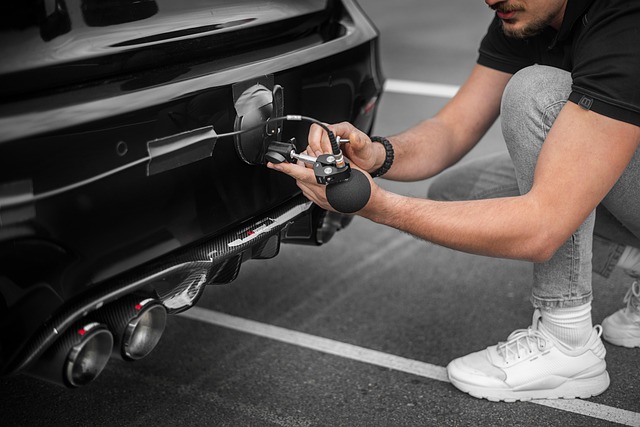
Before finalizing your vehicle’s registration in California, it’s crucial to verify your car’s information accurately. This step ensures that the details on file match your vehicle exactly and helps prevent potential issues down the line. One of the most critical aspects is confirming your Vehicle Identification Number (VIN). A simple yet effective method for this is through a mobile VIN inspection or using a trusted mobile VIN verifier. These services allow you to check the VIN against manufacturer records, ensuring its validity and providing crucial data about your car’s history.
For instance, in California, all vehicles must pass an emissions test and have up-to-date registration before being driven on public roads. During this process, a vehicle history report is often generated, which can be cross-referenced with the VIN to ensure accuracy. Regular mobile VIN inspections are especially valuable for classic or vintage cars, where historical records might not be readily available at DMV offices. These inspections help identify any discrepancies early in the registration process, streamlining the entire procedure.
By utilizing a mobile VIN verifier, you can save time and effort while ensuring peace of mind. Not only does this practice safeguard against potential errors, but it also highlights any past or current issues with your vehicle. For instance, data from California’s Department of Motor Vehicles (DMV) shows that accurate VIN record-keeping helps identify high-risk vehicles, leading to safer roads for all. Therefore, taking the time to verify your car’s information, especially through a reliable mobile inspection service, is an essential step in the registration process.
By meticulously navigating California’s car registration requirements, including crucial VIN verification, and selecting the appropriate method—whether in-person or online—you can efficiently complete the process. Key takeaways include gathering essential documents, accurately completing applications, and verifying vehicle information. This comprehensive guide equips you with the knowledge to ensure a seamless registration experience, underscoring the importance of due diligence when putting your vehicle on California’s roads.