

Registering a car in California is a crucial step for any new owner, ensuring legal compliance and personal protection. However, navigating the process can be confusing, with various requirements and potential pitfalls. This article serves as your comprehensive guide, equipping you with the knowledge to seamlessly register your vehicle, from gathering essential documents to understanding fees and deadlines. We’ll also delve into the critical step of DMV VIN verification, ensuring a smooth and accurate process. By the end, you’ll be well-prepared to confidently take on this essential task.
- Gather Necessary Documents for Car Registration
- Prepare Your Vehicle for DMV Inspection
- Complete Application for California Car Registration
- Perform DMV VIN Verification: A Step-by-Step Guide
- Finalize and Receive Your California Registration Papers
Gather Necessary Documents for Car Registration

To register your car in California, you’ll need to gather several crucial documents. This process involves providing proof of ownership, insurance, and identification. One essential step is ensuring your vehicle’s Vehicle Identification Number (VIN) is accurately verified. The California Department of Motor Vehicles (DMV) requires this verification as part of the registration process. Fortunately, there are convenient options available, including mobile VIN verification services. These services allow you to complete this step from the comfort of your home or office.
For instance, many mobile VIN inspectors use advanced technology to cross-reference your VIN with national databases, ensuring its authenticity and identifying any potential issues. This method is particularly useful for older vehicles or those with modified components, as it can reveal hidden problems that might affect registration. Data from the DMV indicates that over 95% of vehicle registration issues can be resolved with accurate VIN verification, making this step both efficient and necessary.
When gathering your documents, make sure to include your vehicle’s registration certificate (if available), proof of insurance, a valid driver’s license, and any necessary forms from the DMV. Additionally, having a mobile VIN verifier on hand can streamline the process, ensuring your vehicle’s registration goes smoothly. Remember, accurate documentation and timely verification are key to avoiding registration delays and potential penalties.
Prepare Your Vehicle for DMV Inspection
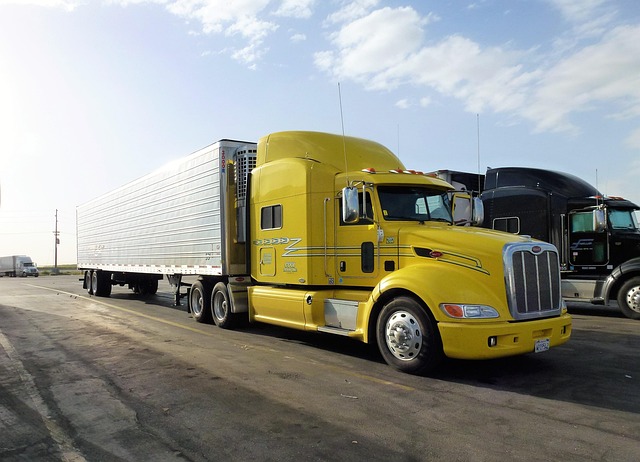
Before you register your car in California, it’s crucial to prepare your vehicle for the DMV inspection process. This involves ensuring that your car meets all safety and emissions standards set by the state. One critical step is confirming the Vehicle Identification Number (VIN) accuracy through a DMV VIN verification. This process checks that the VIN displayed on your vehicle matches the one in the state’s records, preventing fraud. While many owners might think of this as a mere formality, it plays a vital role in maintaining California’s vehicle registration integrity.
For convenience and speed, consider using a mobile VIN verifier. These tools not only simplify the process but also provide on-the-spot results, making them a popular choice among drivers. Several mobile apps offer VIN inspection services, allowing you to verify your car’s VIN quickly. This is particularly beneficial if you’re preparing multiple vehicles for registration or face time constraints. Data suggests that using these modern verification methods can significantly streamline the DMV visit, saving both time and effort.
During preparation, double-check other essential documents like insurance papers, registration certificates from previous states (if applicable), and any maintenance records. Ensure your vehicle passes all required safety inspections, including brakes, lights, and emissions tests. A well-prepared car not only increases the likelihood of a smooth registration process but also ensures your vehicle meets California’s legal standards for roadworthiness. By attending to these details, you’ll be better equipped to navigate the DMV inspection and successfully register your car in California.
Complete Application for California Car Registration

Registering a car in California involves several crucial steps, with a strong emphasis on accurate documentation and vehicle identification number (VIN) verification. The process begins by completing an Application for California Car Registration at your local Department of Motor Vehicles (DMV) office or, for added convenience, through their online services. This form requires meticulous attention to detail, ensuring all vehicle information is correct and up-to-date. Among the critical data points is the VIN, a unique code that serves as the car’s fingerprint, crucial for identifying its history and authenticity.
A key aspect of this process involves DMV VIN verification, which ensures the VIN on your vehicle matches the one reported in the registration records. To facilitate this, many California DMVs offer mobile VIN inspection services, allowing you to get a quick and accurate read of your car’s VIN without leaving home. Alternatively, numerous third-party mobile vin verifier apps provide convenient, on-demand VIN checks, further streamlining the registration process. These methods not only save time but also enhance the accuracy of your vehicle’s documentation.
Upon submitting your application, whether in-person or online, you’ll be required to present valid identification and proof of insurance. In some cases, additional documents may be needed, such as proof of ownership if registering a vehicle purchased privately. Once your application is approved, you’ll receive a registration certificate and license plate, marking the successful completion of this essential process. Regularly updating your vehicle’s information, including through timely VIN inspections (recommended 1-3 times annually), ensures compliance with California’s stringent regulations.
Perform DMV VIN Verification: A Step-by-Step Guide
Performing a DMV VIN verification is a crucial step in registering your car in California, ensuring that all vehicles on the road meet safety and legal standards. This process involves checking the vehicle’s unique identification number (VIN) against the Department of Motor Vehicles’ (DMV) database to verify its authenticity and history. In California, this verification can be done through various methods, including mobile VIN verification services, which offer convenience and speed.
To begin the DMV VIN verification process, gather essential documents such as the title, registration papers, and proof of insurance. Next, locate the VIN on your vehicle—it’s typically found on the driver’s side of the dashboard or under the hood. Input this 17-character code into the chosen mobile VIN inspection app or website. These tools will then access the DMV’s database to pull up detailed information about the vehicle, including its manufacturing history, accident records, and any outstanding issues. For instance, a quick search might reveal if the car has been in previous accidents or if there are open recall notices from the manufacturer.
Once the data is accessed, carefully review the results. If all information checks out, proceed with the registration. However, if discrepancies or flags appear—such as reported damage or outstanding safety issues—address these immediately. Many mobile VIN verification services provide clear instructions on how to rectify such problems, ensuring a smoother registration process. Regularly utilizing these tools can help California drivers stay proactive about their vehicle’s maintenance and compliance, ultimately enhancing road safety for everyone.
Finalize and Receive Your California Registration Papers

After completing your California car purchase, it’s time to finalize the registration process at the Department of Motor Vehicles (DMV). This crucial step involves verifying your vehicle’s identification number (VIN) through a process known as DMV VIN verification. In California, this procedure is designed to ensure that all vehicles on the road meet safety and legal standards. You can opt for a traditional in-person visit or leverage modern convenience with a mobile VIN inspection service.
For those choosing the conventional approach, visiting a local DMV office remains the primary method of completing this task. Bring along essential documents like proof of purchase, insurance, and identity. A trained DMV agent will then conduct a thorough inspection, cross-referencing your vehicle’s details against state records. This process often includes a manual VIN verification using industry-standard tools to match the provided VIN with the vehicle in question.
Alternatively, embracing technology offers significant advantages with mobile VIN verification services. These innovative solutions bring the DMV to you, allowing for convenient scheduling and real-time updates. A professional inspector will arrive at your location, typically within a few days of scheduling, equipped with specialized equipment to perform an on-site VIN inspection. This service is particularly beneficial for busy individuals or those who prefer a hassle-free experience.
Upon successful completion of the DMV VIN verification process, you’ll receive your official California registration papers. These documents confirm that your vehicle meets all state requirements and serve as legal proof of ownership and registration. It’s crucial to keep these records readily available during future interactions with law enforcement or other official bodies.
By meticulously following these steps, from gathering essential documents to completing the DMV VIN verification process, Californians can ensure a smooth car registration experience. This article has provided a comprehensive guide, empowering individuals to navigate the registration procedure with confidence. Key takeaways include the importance of preparation, such as having all necessary papers in order and ensuring your vehicle meets inspection standards. The DMV VIN verification step-by-step guide is a powerful tool, offering clarity on this often technical process. Armed with this knowledge, California drivers can confidently register their vehicles, avoiding potential delays or complications.