

Registering a car in California is not just a bureaucratic formality—it’s a critical step for any new vehicle owner, ensuring legal compliance and access to public roads. However, navigating the process can be confusing, with various requirements and procedures that often leave owners unsure where to begin. This article serves as your comprehensive guide, offering clear, concise steps to streamline the registration process, including essential details like DMV VIN verification, ensuring you have all the necessary information for a smooth and efficient car registration experience in California.
- Gather Required Documents for Car Registration
- Prepare Your Vehicle for DMV Inspection (DMV VIN Verification)
- Navigate Online or In-Person Registration Process in California
- Complete and Submit Application Forms Accurately
- Finalize Car Registration, Obtain License Plate and Documents
Gather Required Documents for Car Registration

Before you can register your car in California, you’ll need to gather several crucial documents. This process is designed to ensure the safety and legality of vehicles on state roads. One essential step, required by the California Department of Motor Vehicles (DMV), is the accurate verification of your vehicle’s Vehicle Identification Number (VIN). This can be accomplished through a DMV VIN verification or a mobile VIN inspection using a trusted verifier.
For instance, many car owners opt for a mobile VIN service to streamline the process. These services send a specialist to your location to perform a thorough inspection. Using specialized equipment, they’ll cross-reference your VIN with national databases to confirm the vehicle’s history, including any prior ownership, accidents, or outstanding recalls. This method is particularly beneficial for those who don’t have time to visit a DMV office or face challenges with traditional verification methods.
When preparing your documents, ensure you have your car’s registration papers, proof of insurance, and valid driver’s license. Additionally, the vehicle’s title—especially if you’re transferring ownership—is vital. If you’ve recently purchased the car, a bill of sale from the seller can serve as temporary documentation. However, it’s crucial to complete the registration process within a specific timeframe (usually 30 days) to avoid penalties. Always refer to the DMV’s official guidelines for the most accurate and up-to-date information regarding required documents and procedures.
Prepare Your Vehicle for DMV Inspection (DMV VIN Verification)
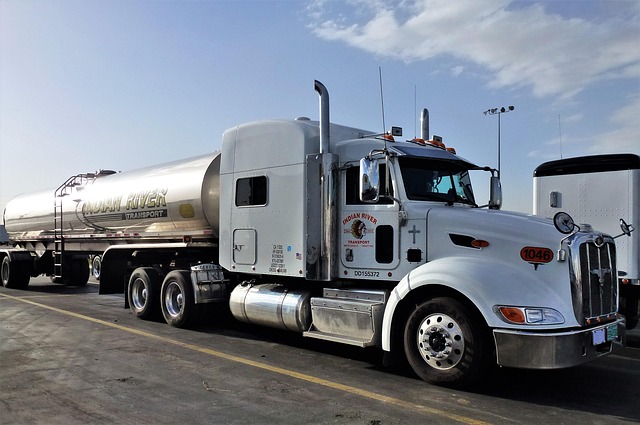
To register your car in California, you’ll need to ensure your vehicle meets all safety and emissions standards, a process often involving a DMV VIN verification. This step is crucial as it ensures your car’s identification number (VIN) is accurate and matches the vehicle described in the registration documents. During this inspection, a DMV official will physically examine your car, checking for issues like outstanding warrants or modifications that might impact safety. One efficient way to facilitate this process is by utilizing a mobile VIN verifier, which allows for on-site verification, saving time and potential trips back and forth.
Prior to scheduling your appointment, gather essential documents such as the title, registration certificate (if applicable), proof of insurance, and identification. Some individuals might also need to provide evidence of the vehicle’s odometer reading or recent maintenance records. Moreover, ensure that any modifications made to your car are legal and documented, as these could impact the inspection outcome. It’s advisable to double-check the DMV’s guidelines regarding accepted modifications to avoid delays during the dmv vin verification process.
If you’re preparing for a mobile VIN inspection, cooperate fully with the inspector by providing access to all necessary areas of your vehicle. This includes the engine compartment, underbody, and wheel wells. Keep in mind that any discrepancies found during the inspection may require corrective actions before registration can proceed. For instance, issues like faulty lights or incorrect emissions controls must be addressed promptly to pass the dmv vin verification. Engaging with a mobile vin verifier early on can help identify potential problems, allowing you to rectify them efficiently and ensure a smoother registration process.
Navigate Online or In-Person Registration Process in California

Registering a car in California involves either navigating an online process or visiting a DMV office, each with its advantages. Online registration offers convenience, enabling you to complete the procedure from the comfort of your home. The California DMV website provides a user-friendly interface for submitting documents and verifying your vehicle’s information, including a crucial step: DVM VIN verification. This digital verification ensures the accuracy of your vehicle identification number (VIN), a critical data point for registration. Online platforms often accept mobile vin inspection, allowing you to capture and transmit images of your VIN, streamlining the process further.
Conversely, in-person registration at a DMV office may be preferable for those who prefer face-to-face interactions or have complex vehicle history. At the DMV, you’ll need to provide essential documents such as proof of ownership, insurance, and identity. An inspector will conduct a thorough check, including manual VIN verification by inspecting the vehicle’s documentation and physical inspection of the VIN on the car itself. This hands-on approach ensures accuracy and addresses any potential discrepancies that might arise in a mobile vin inspection.
Regardless of your chosen method, understanding the requirements is key. The California DMV provides clear guidelines for both online and in-person registration, ensuring a smooth experience. For instance, when using an online platform, ensure you have all necessary documents ready to upload, as this saves time and reduces potential delays. Conversely, at the DMV, expect a more detailed process, but know that staff are available to assist with any questions or complexities. Remember, accurate VIN verification is paramount for a successful registration, whether done online or in person.
Complete and Submit Application Forms Accurately

Registering a car in California involves a meticulous process, and one of its critical steps is completing and submitting application forms accurately. This ensures that all necessary information is provided to the California Department of Motor Vehicles (DMV) for a successful vehicle registration. Among the myriad forms, the Vehicle Identification Number (VIN) verification stands out as a crucial element in this process. The DMV requires a VIN inspection to ensure the car’s authenticity and history, which can be efficiently facilitated by utilizing mobile vin verifier services.
Accurately filling out these forms requires diligence and attention to detail. For instance, when entering the VIN, any errors or discrepancies could lead to delays or even rejection of your application. A mobile vin verification service can play a pivotal role here, as it allows for on-the-go VIN checks, ensuring that the information you submit is precise. This technology offers convenience and accuracy, especially for those who may not have access to traditional vehicle inspection facilities. With just a few clicks, owners can obtain a reliable VIN report, which can then be submitted alongside their registration forms.
Furthermore, it’s essential to double-check all other details, such as the vehicle’s make, model, year, and owner information. Inaccurate or incomplete data may hinder progress in the registration process. Consider using digital tools that assist with form filling by prepopulating data from reliable sources, reducing human errors. Additionally, staying informed about any updates or changes in DMV procedures can help streamline the registration experience. By combining accurate form completion with modern verification methods like mobile vin inspection, California car owners can ensure a smoother and more efficient registration process.
Finalize Car Registration, Obtain License Plate and Documents
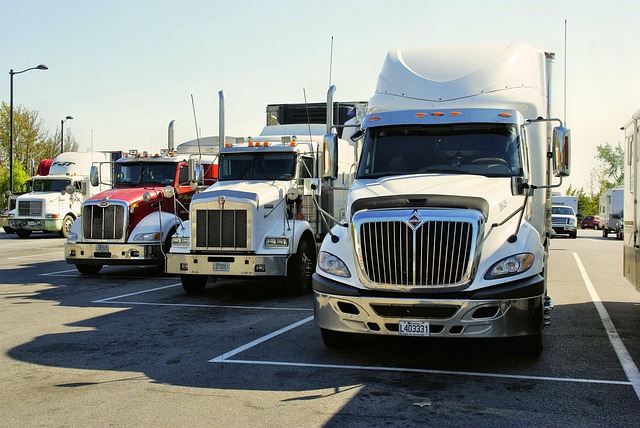
After completing the initial registration process at the California DMV, the next crucial step is to finalize your car’s registration and obtain all necessary documents, including license plates. This phase ensures your vehicle complies with state regulations and allows you to legally operate it on California roads. One of the critical components of this process is the DMV VIN verification, which confirms the vehicle’s identity and history, ensuring it meets safety and emission standards.
To streamline this procedure, many Californians opt for a mobile vin inspection using advanced tools that provide accurate results quickly. These mobile vin verifiers are designed to check against national databases, including information on previous owners, accident reports, and outstanding liens or recalls. By utilizing these modern solutions, you can save time and ensure a hassle-free registration process. For instance, some services offer same-day processing, enabling you to obtain your license plates promptly, whether it’s for a new purchase or a title transfer.
Once the vin inspection is complete and passed, the DMV will issue the required documents, including the registration certificate and license plates. It’s essential to review these documents carefully, as they contain crucial information about your vehicle’s identification number (VIN), ownership details, and registration status. Proper documentation not only allows you to legally drive but also serves as proof of compliance with California’s vehicle regulations, making it easier to address any future issues or updates.
By meticulously gathering all necessary documents, preparing your vehicle for a successful DMV VIN verification, and following either the online or in-person registration process in California, you can efficiently complete your car registration. Accurately completing and submitting application forms is paramount, as is finalizing the registration to obtain your license plate and essential documents. This streamlined approach ensures your vehicle complies with state regulations, providing a seamless experience that every California motorist can appreciate.